L’Oratoire des Papes: 100 years of History, Soil, and Wine
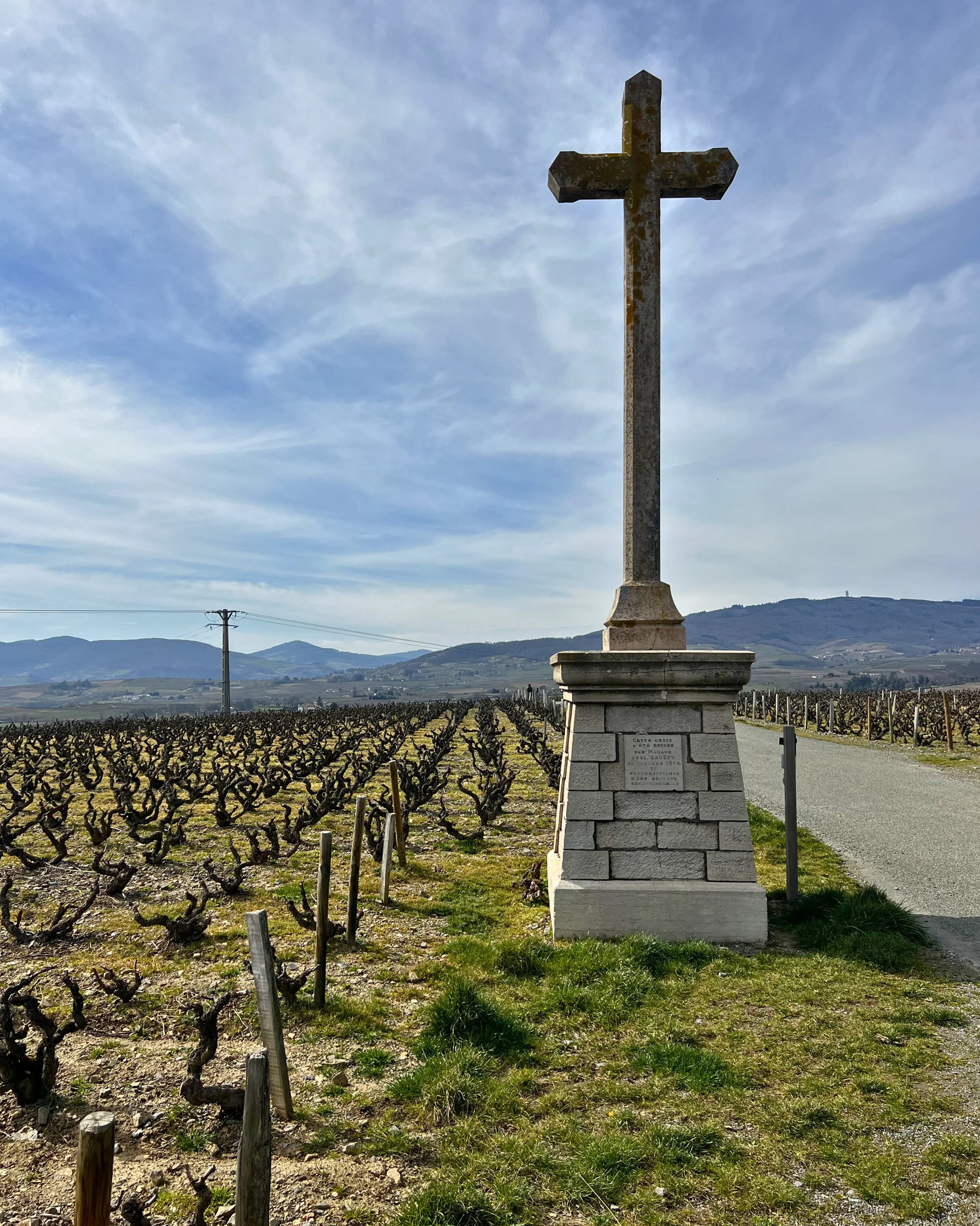
Châteauneuf-du-Pape, the "new castle of the pope," mouthful that it is, is one of the most iconic and historic wine regions in the world. I have a special affinity for it having spent some of my childhood in southern France. While I lived just to the south in Provence, the regions look quite similar once you get away from the beach: beautiful, expansive rolling hills, with a few large massifs jutting out of the ground. The towns are small, filled with cobblestones, ruins, and churches. This is, after all, where the pope moved his home base in the 14th century.
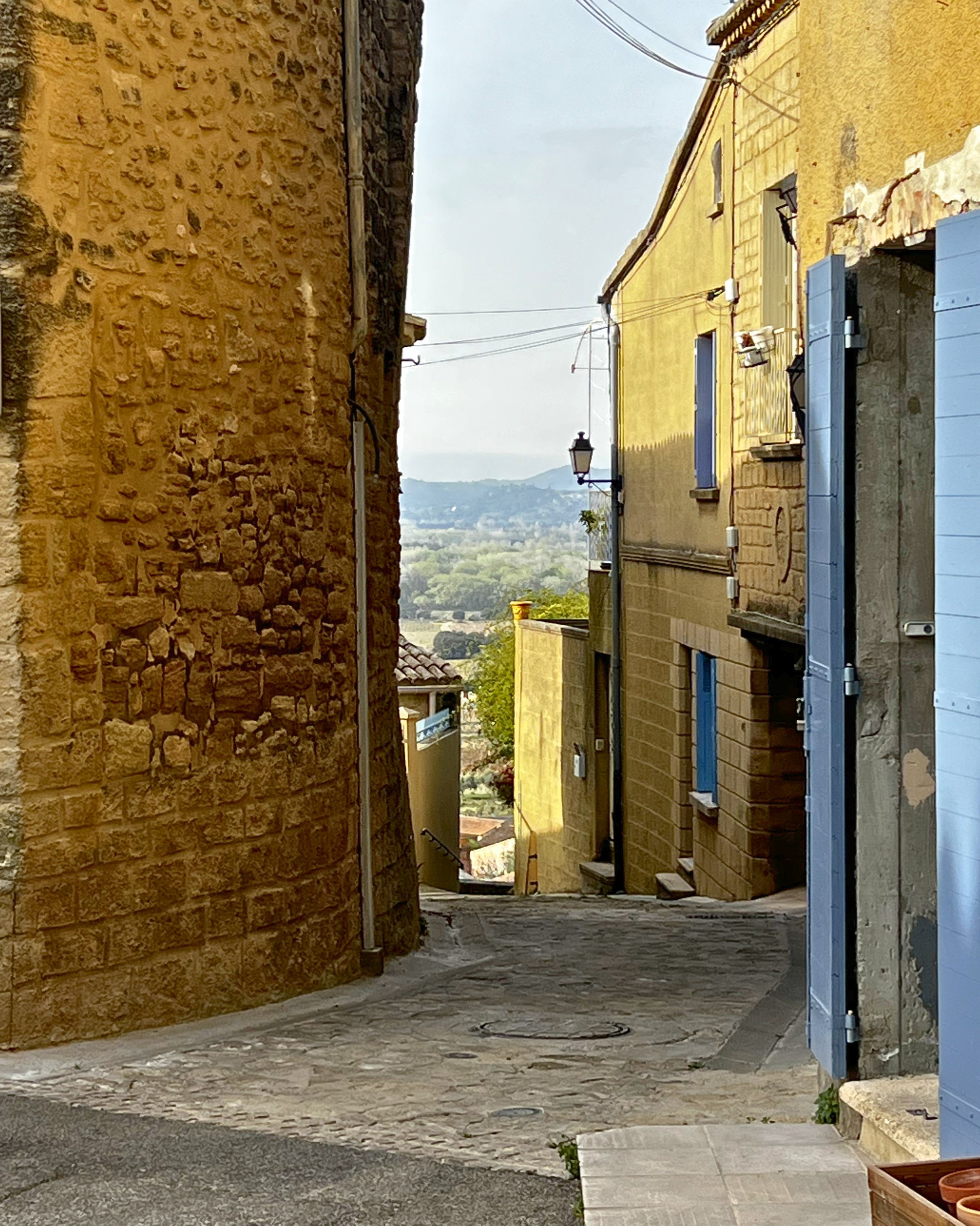
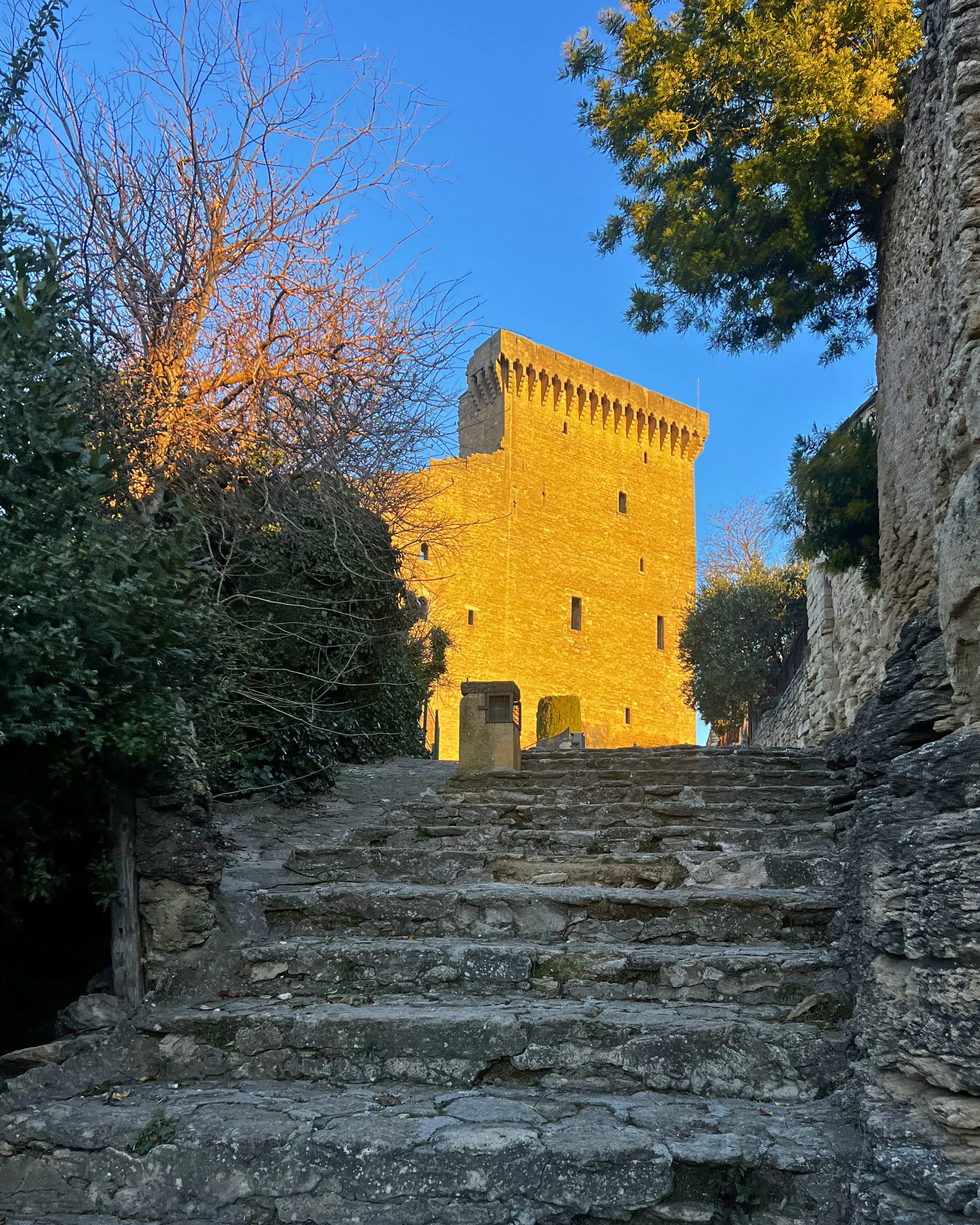
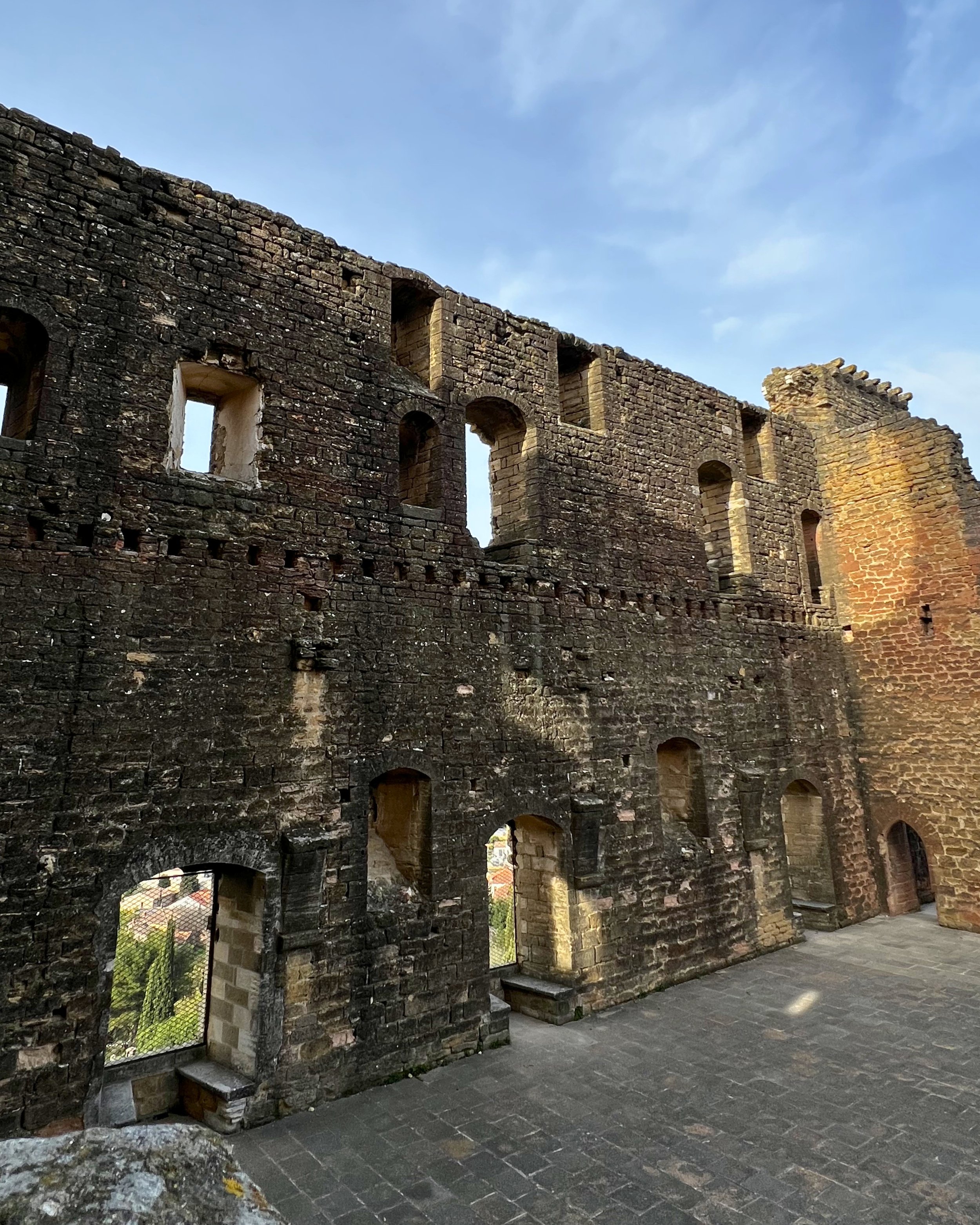
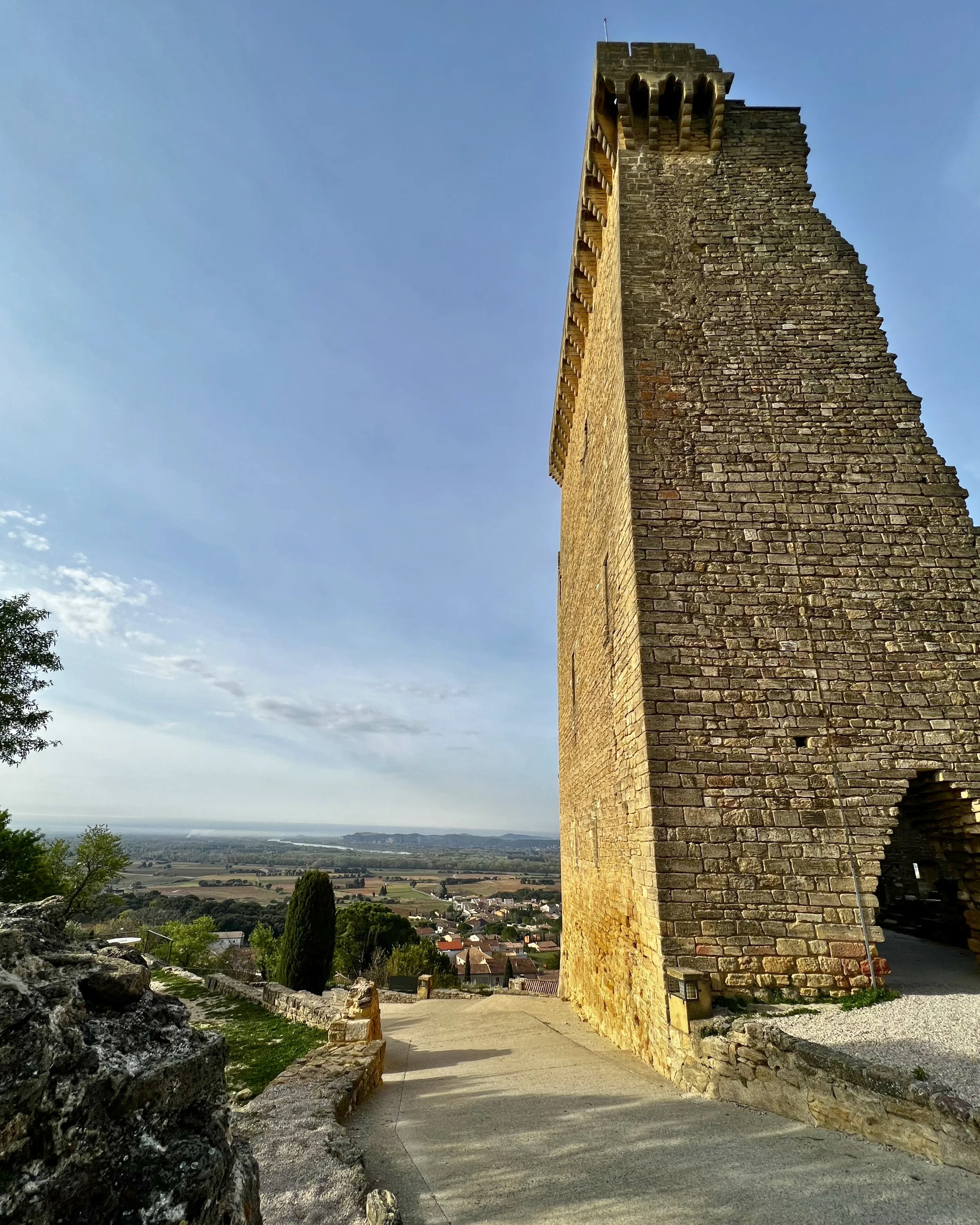
The town of Avignon is located along the Rhône River and is sizable for the area with about 100,000 people. The old town within the medieval walls, however, sits much smaller at less than a square mile. The actual town of Châteauneuf-du-Pape is another 20 minutes or so up the road and is tiny in comparison, really just one crossroad with a few hotels, bistros, and wine shops. It is a beautiful little hilly town with the remains of the castle of CdP standing on top of the hill. A short hike up leads to incredible 360-degree views of the region; on a clear day, you can see Avignon in the distance behind vines in every direction.
Discovering L’Oratoire des Papes
Just outside the town lies a beautiful historic vineyard and winery: originally named Clos de l’Oratoire des Papes, now officially shortened to “L’Oratoire des Papes.”
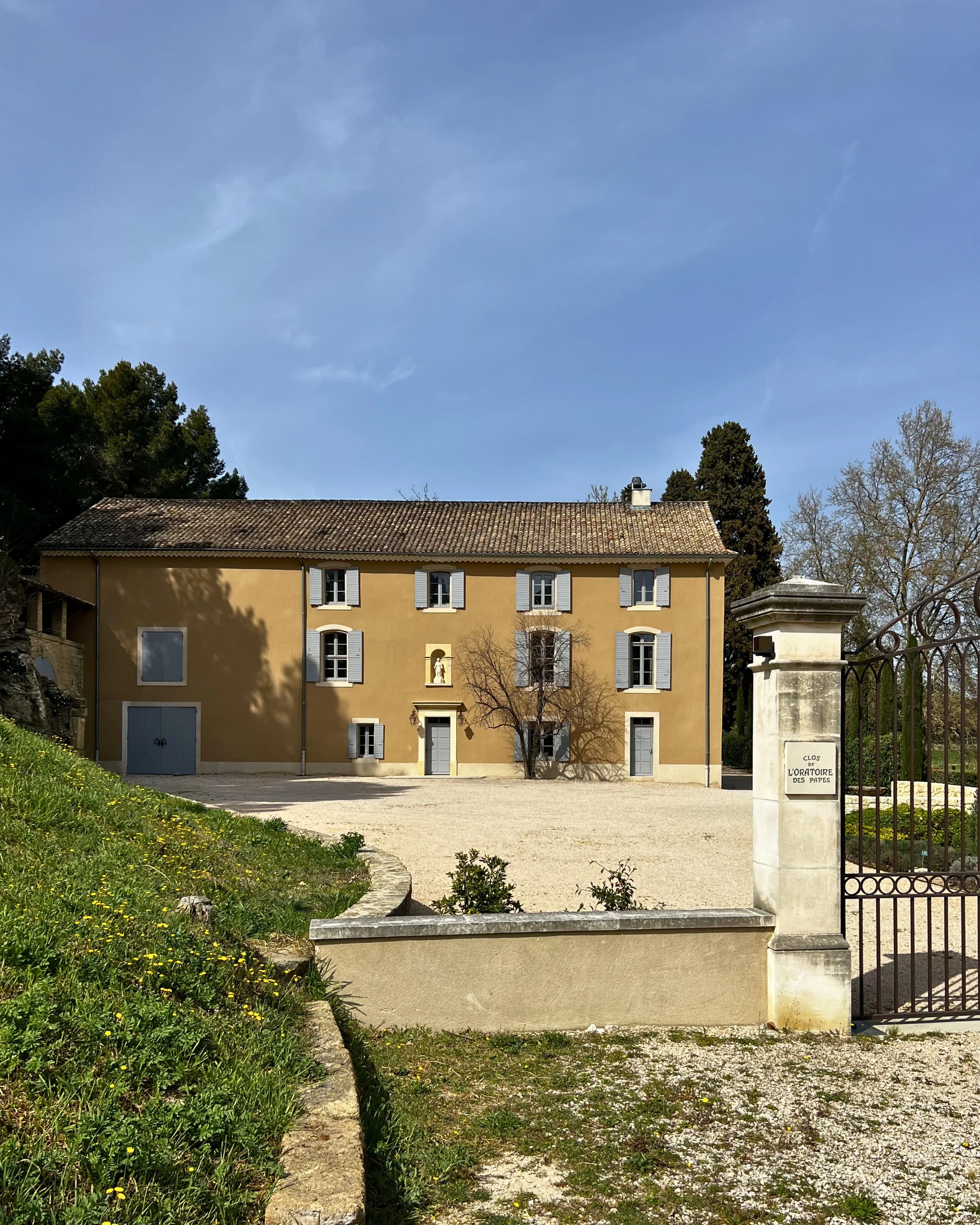
I have had the absolute pleasure of visiting this property every year for the last three years and would gladly return every year following if I get the opportunity. The property is steeped in history, but has been thoughtfully and meticulously updated by General Manager François Miquel. Today, the winery sits in a priory atop ancient troglodyte caves, with the original vineyard in the backyard and a newly updated Provençal kitchen at the heart of the house. This year they are celebrating their 100-year anniversary, though the history goes back much further.
The actual building, which features the classic yellow-sandy color paired with blue shutters that dot southern France, dates back to the 16th century. The Diocese of Avignon eventually took up residence and converted it into a priory where they also made wine.
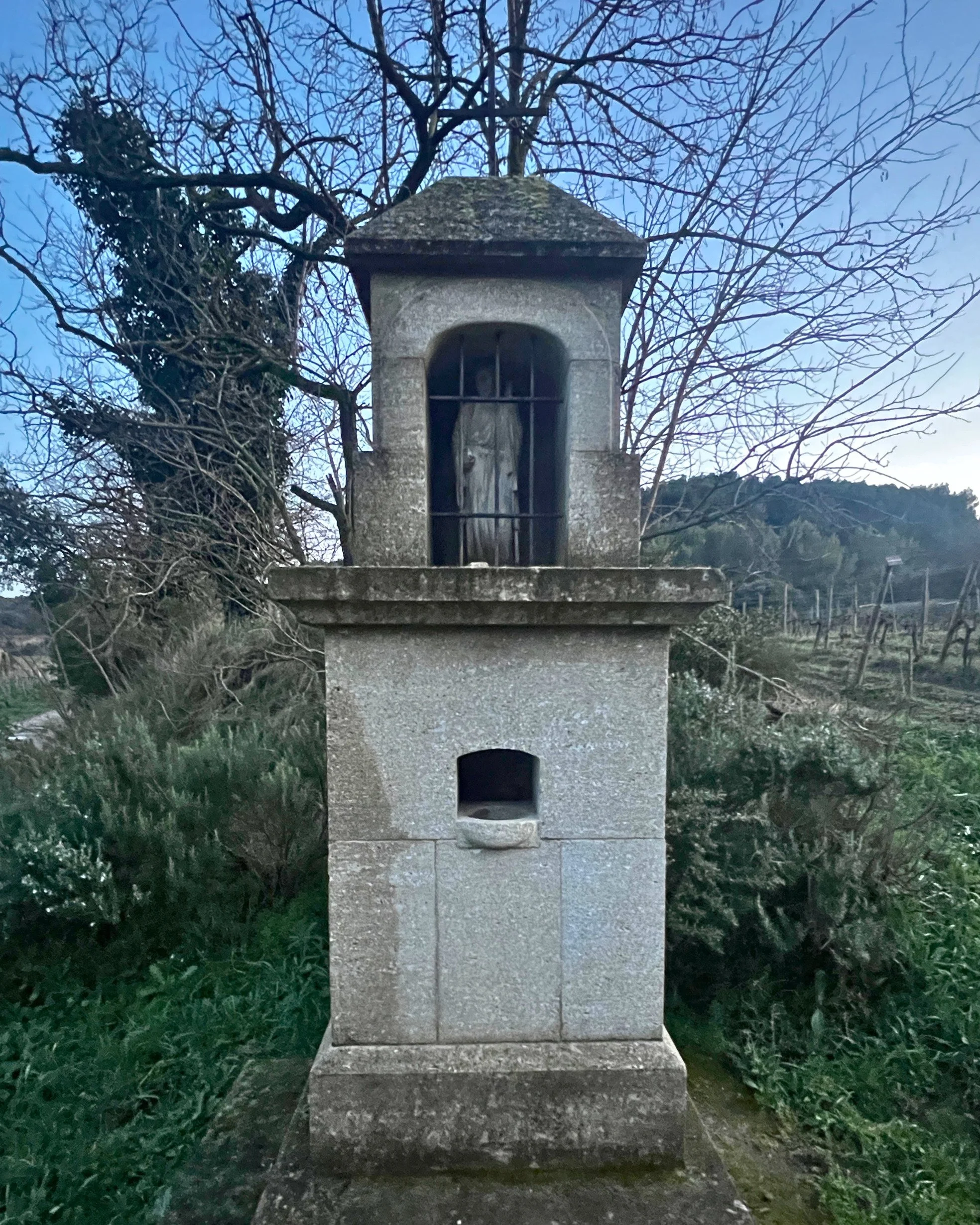
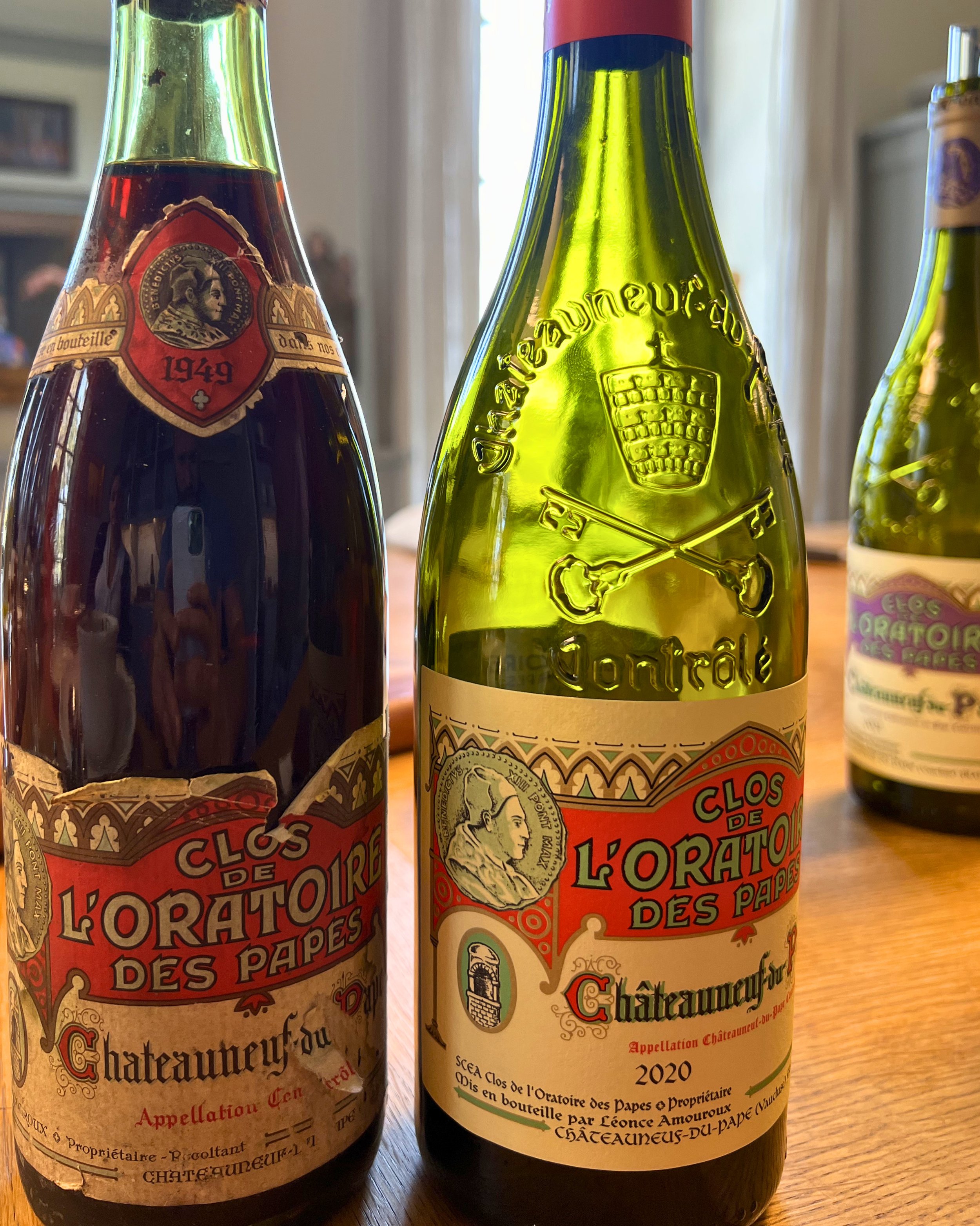
In 1880, Édouard Amouroux inherited the parcel of land along with an enclosed vineyard. At the foot of this vineyard is a small oratory dedicated to Saint-Marc, the patron saint of winemakers. This area came to be known as Clos de l’Oratoire des Papes, as it was a place to come pray at this tiny oratory. Fast forward to 1926, and his son, Léonce Amouroux, created the maison and designed the iconic art deco label, which has remained unchanged for the last 100 years.
In 2000, the family decided to finally get out of making wine and sold the winery to their neighbors, the Ogier family, who had been helping them farm for some years and shared a similar mindset toward preserving history and crafting elegant, expressive wines. A condition of the sale was that the label was never to be changed, a condition that was easily accepted, as the label had grown to be an icon of art deco artistic expression.
A New Era of Winemaking
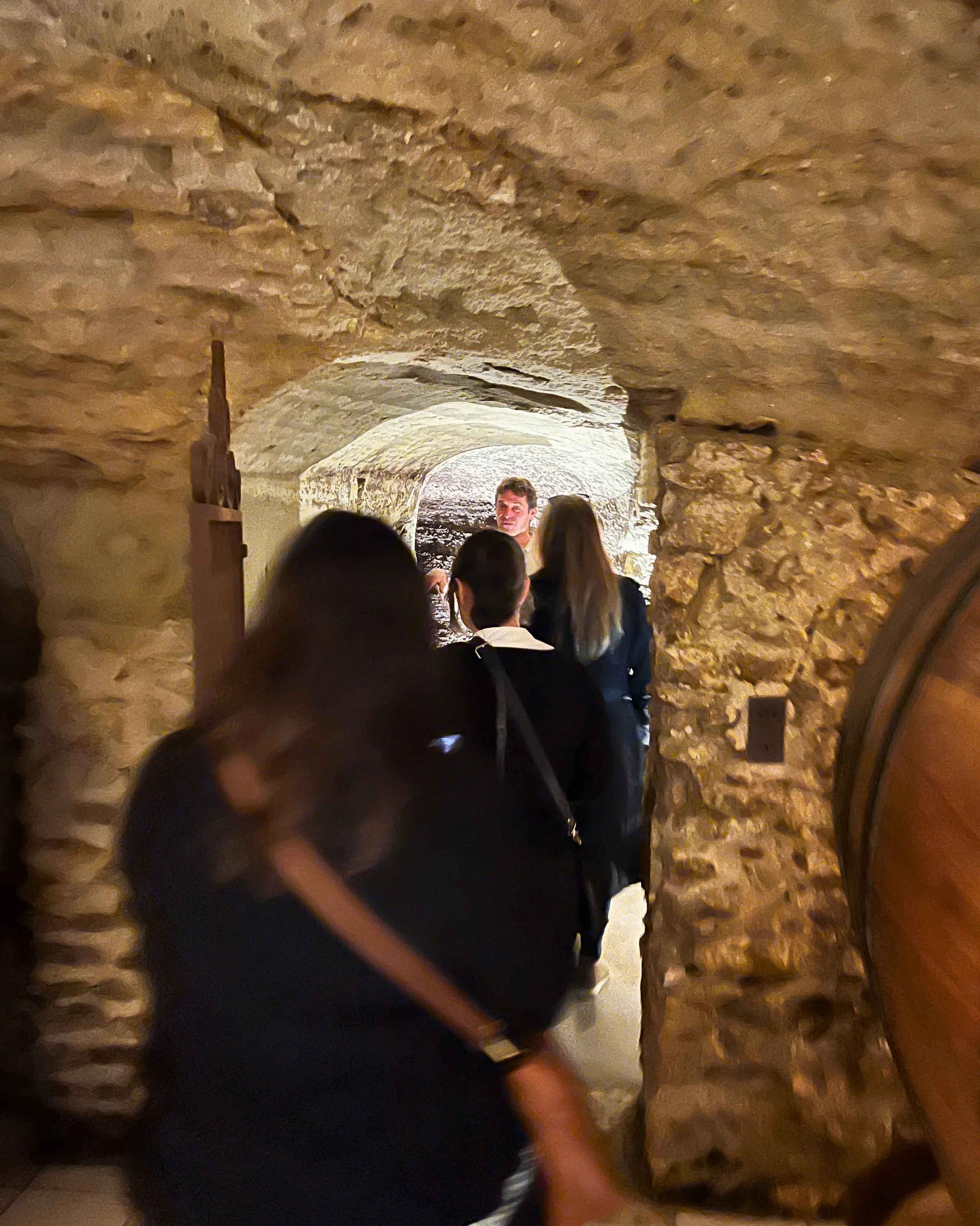
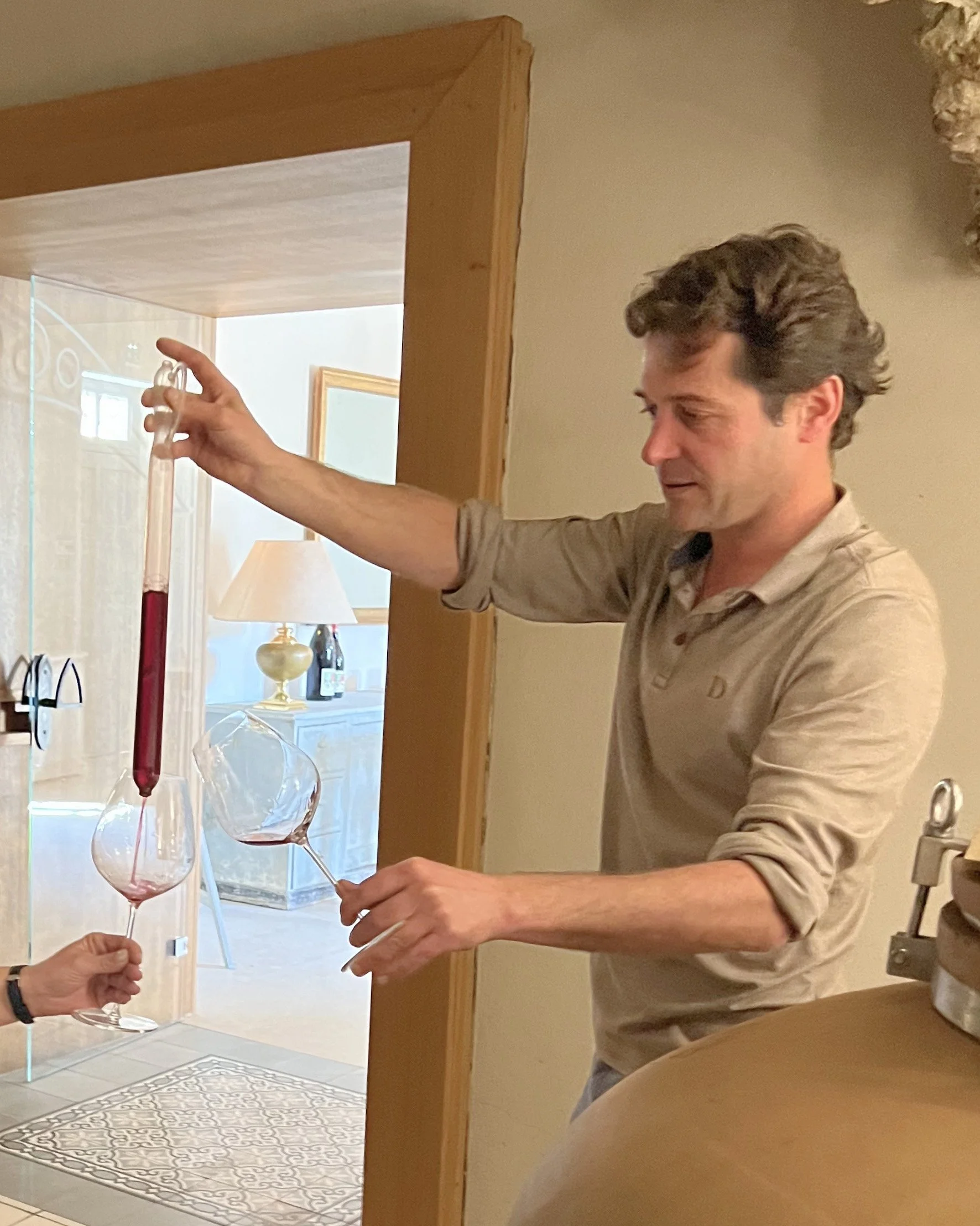
In this new era led by François, the viticulture was converted to organics, and the original property was expanded to include more noble plots across the region. The priory building was restored in 2014 and is where the wines are made, underground in the adjoining caves. In 2015 they hired their new winemaker, Edouard Guerrin. Edouard and François make the perfect team to bring this winery into the next chapter of its journey.
While Edouard is from the region, he spent his career mostly abroad: first in Turkey as technical director for Turasan, then as the GM of Maison Chapoutier in Australia. He moved back to France to work at Clos des Paulilles and Maison Cazes in the Roussillon, another winery within the larger Advini/Ogier portfolio alongside Oratoire. It seems he has now found his home in CdP with plenty of new projects to explore alongside Francois.
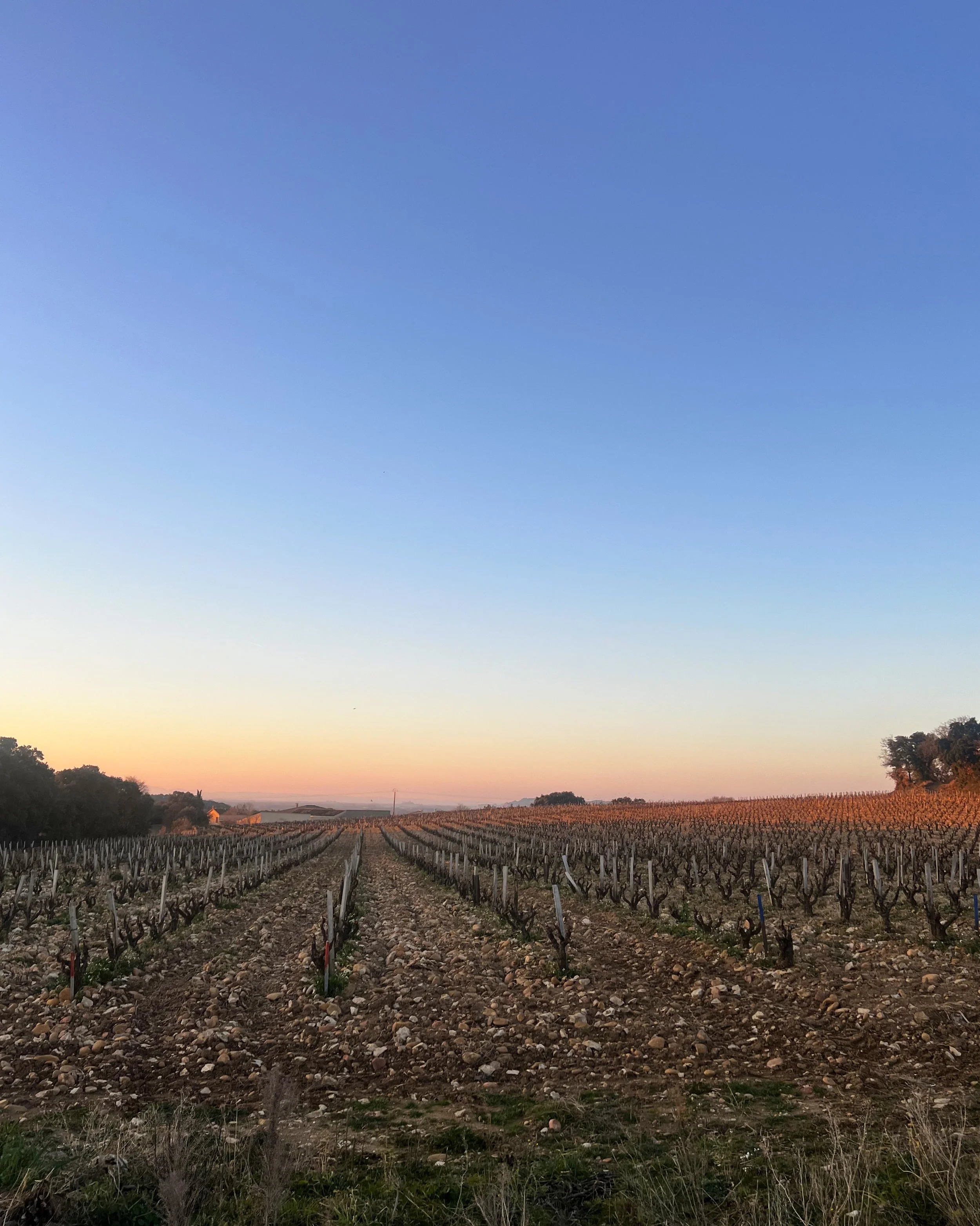
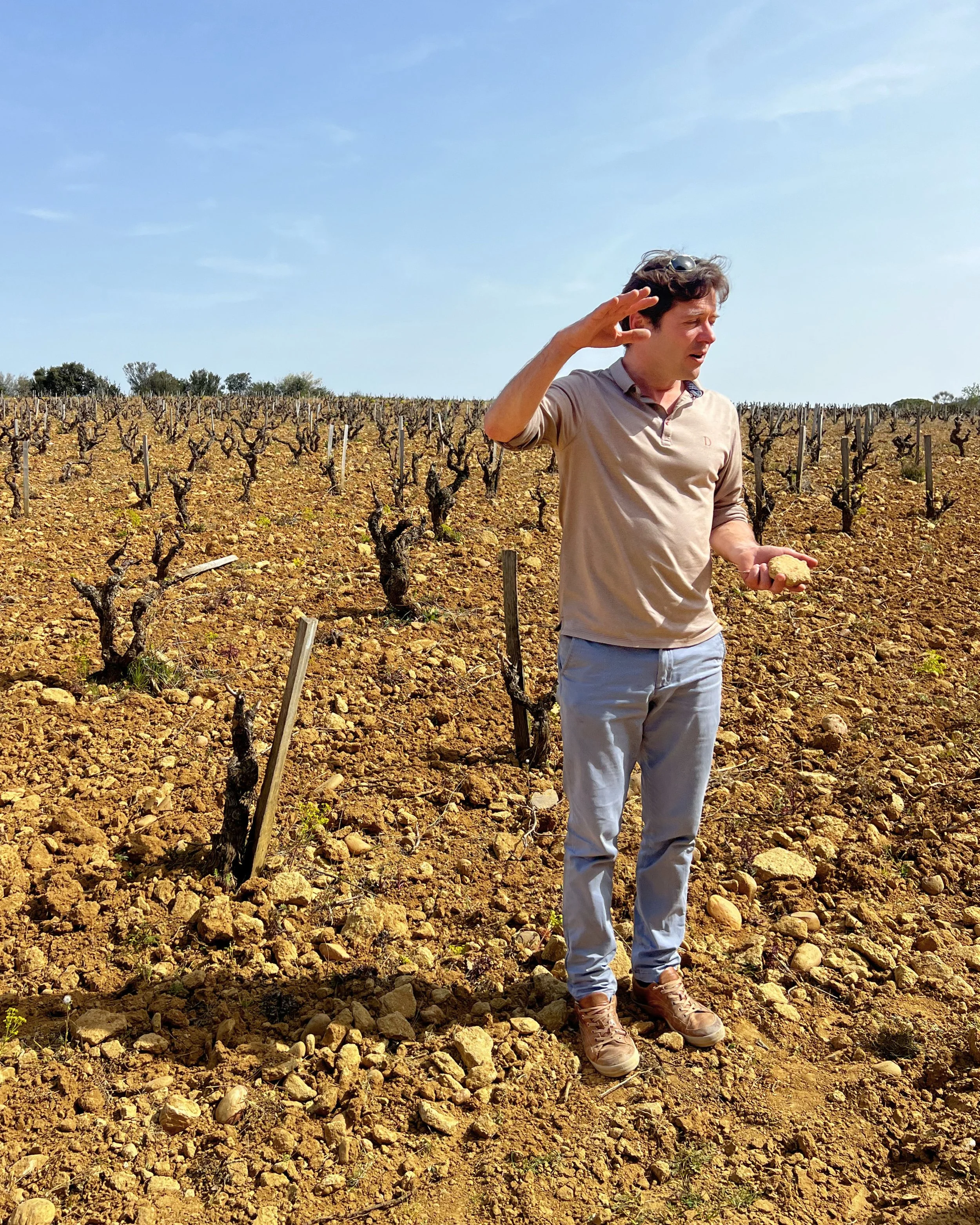
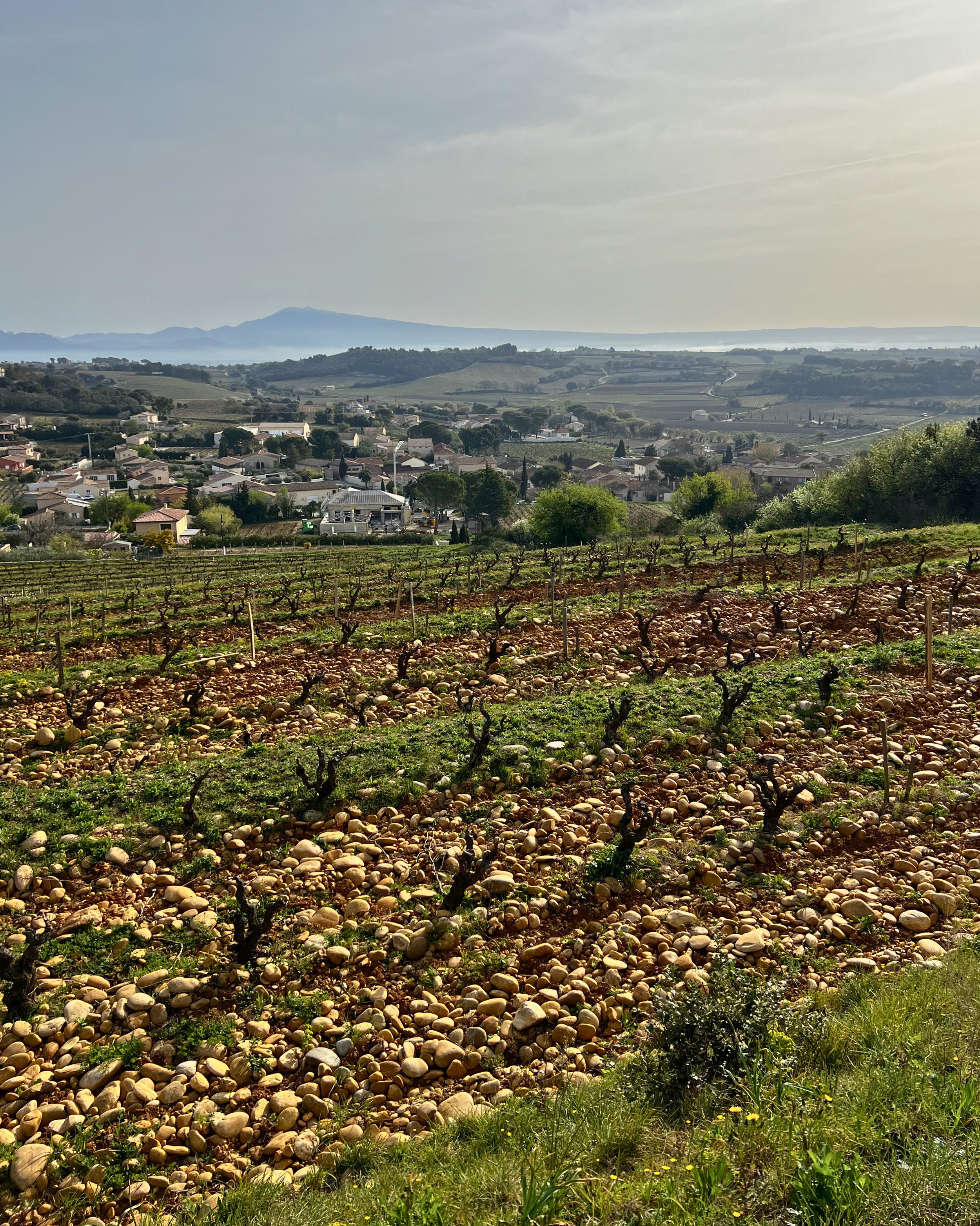
The main wines, the CdP Blanc and Rouge, focus now on the four main terroirs of the region. All four soil types lend different characteristics to the wines.
The galets roulés sit on top of deep clay soils and help retain moisture by reducing evaporation, leading to the generosity and richness of classic CdPs.
The local safres is a very specific type of sand that holds a tiny amount of water, reducing stress and allowing the roots to grow deep and wild; this adds a touch of softness and elegance to the wines.
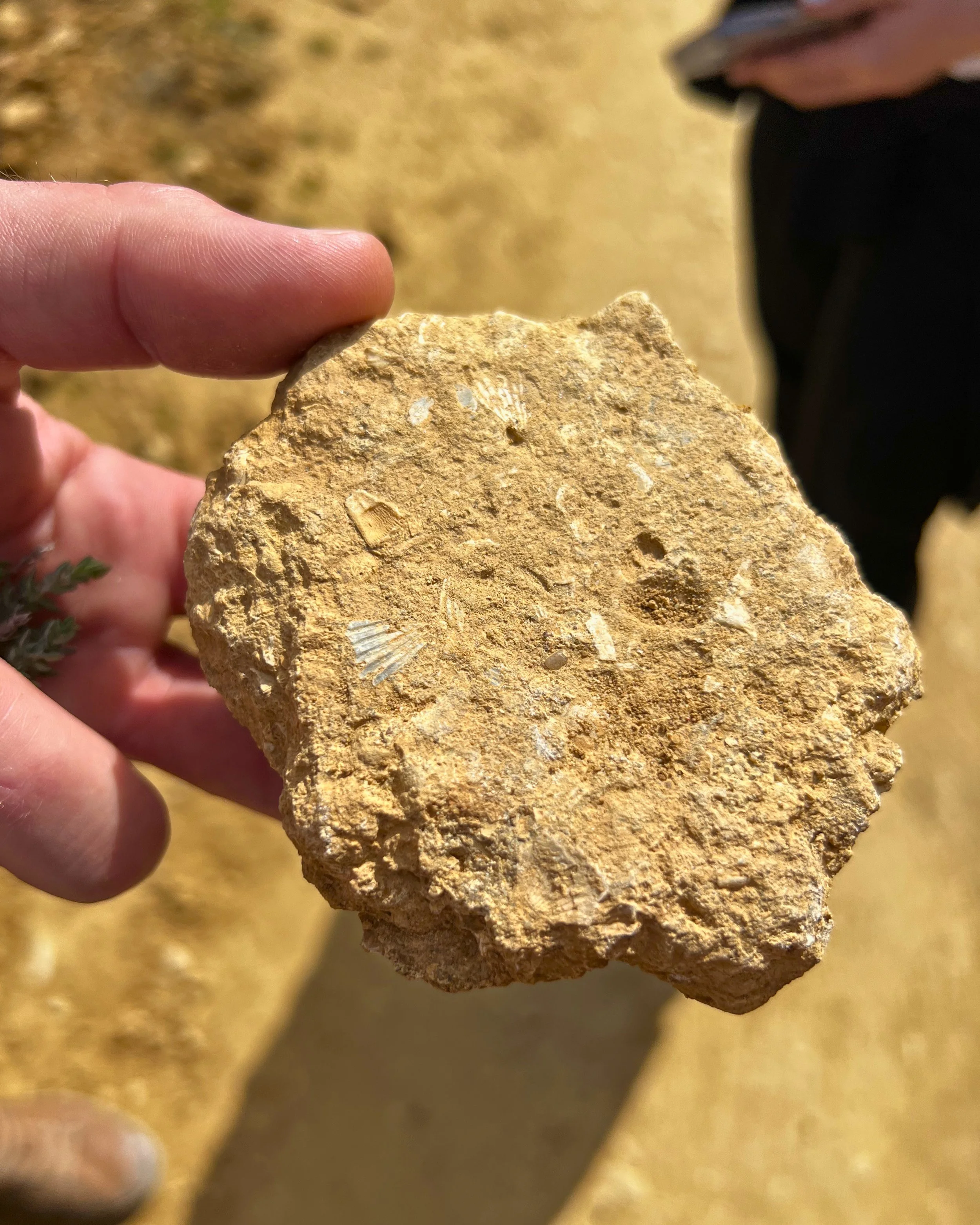
The sandstone contains remains of fossils from when the entire region was underwater, adding a touch of minerality and roundness.
The 115-million-year-old limestone is very arid and well-suited to white grapes, giving them distinct freshness, minerality, and an incredible elegance not often seen in southern Rhône whites.
Recently, they decided to stop using organic-approved fertilizers in favor of 100% natural fertilizers from cow, horse, and sheep manure. They are deeply connected with their soils and believe that healthy, living soils produce healthy, living wines.
(For more information on the individual wines, please check out my tasting notes post)
A Taste of Provençal Excellence: Chef David Rocamora
Finally, I have to mention one of my favorite new additions to the property: the brand-new Provençal-style kitchen and the arrival of house chef David Rocamora.
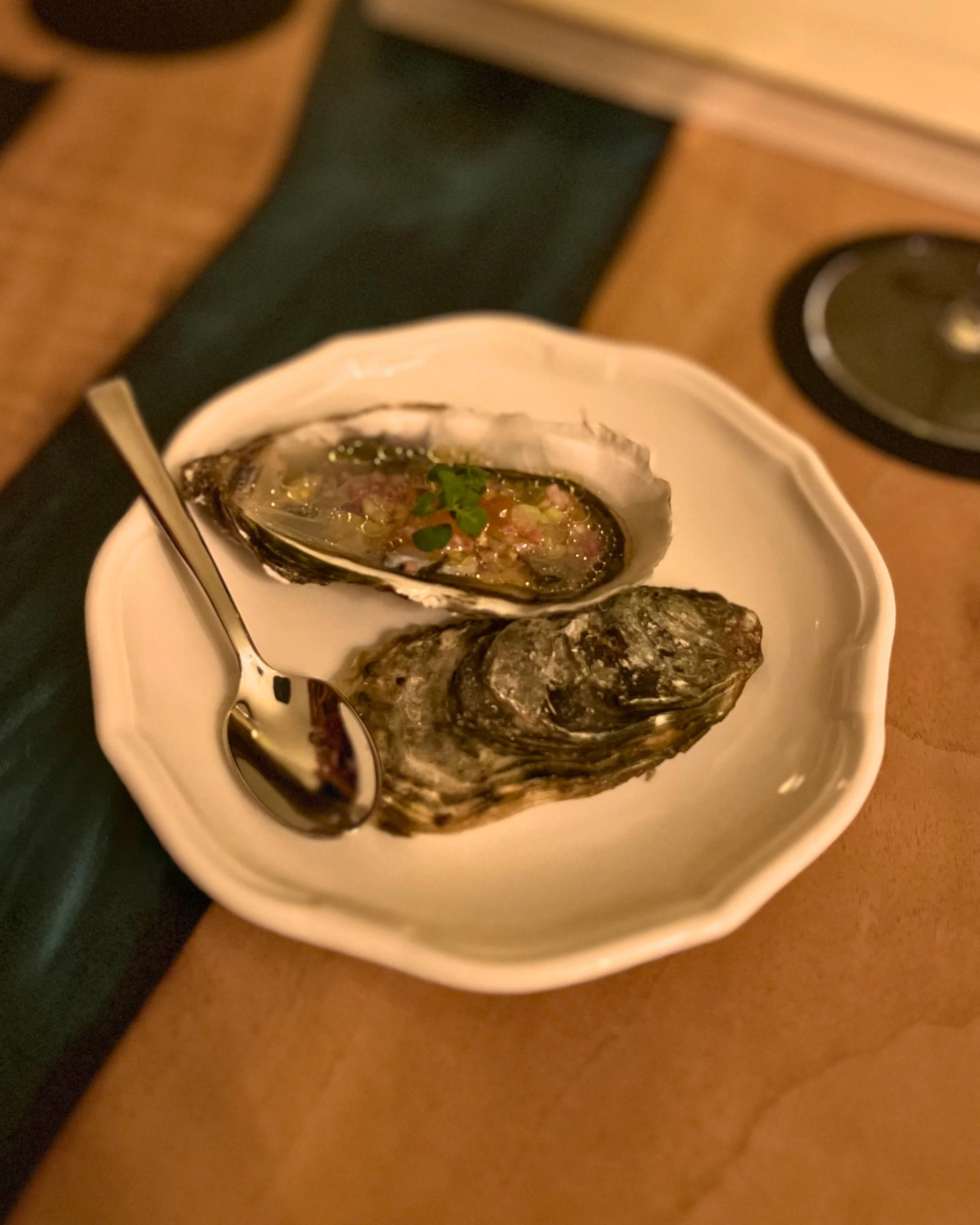
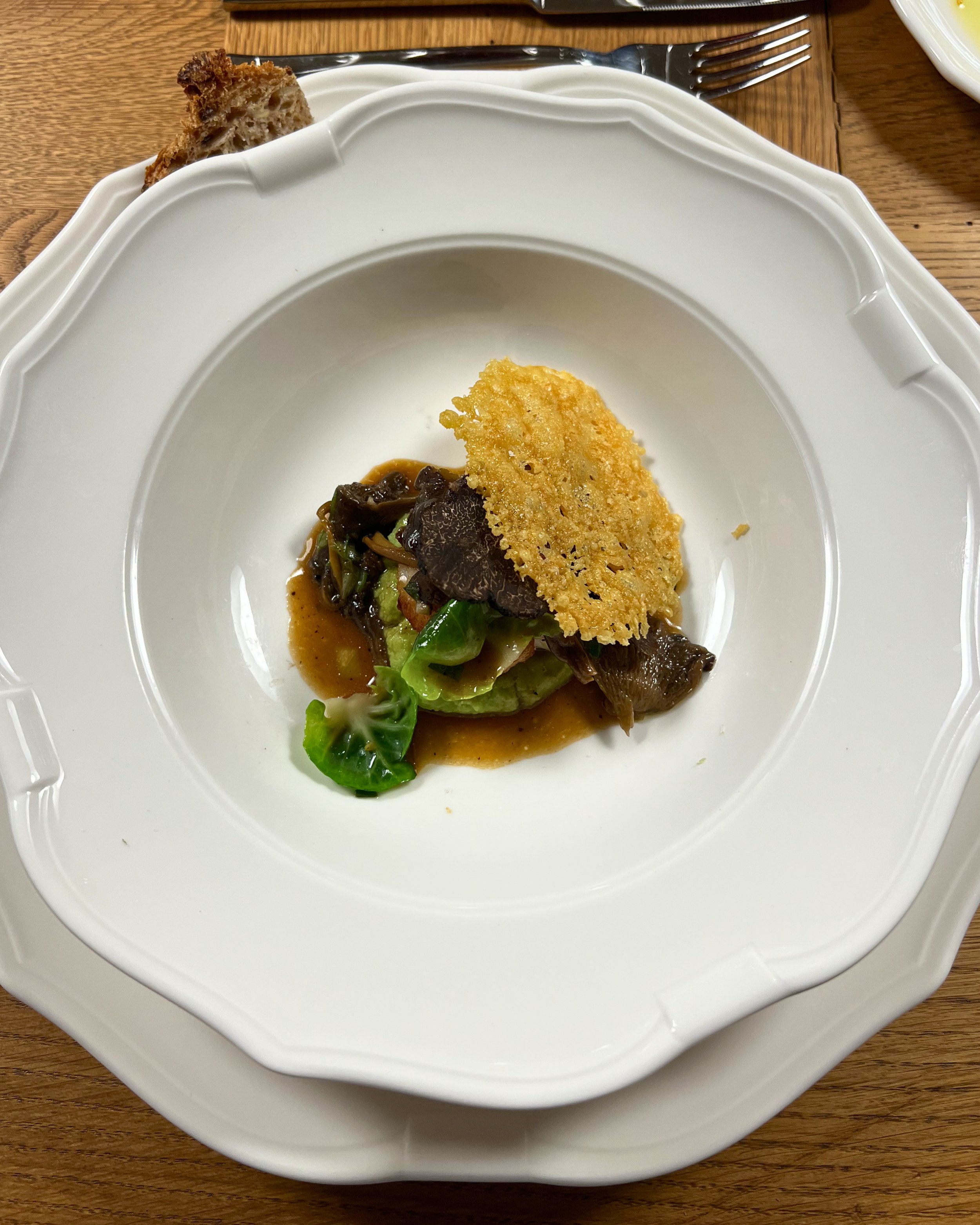
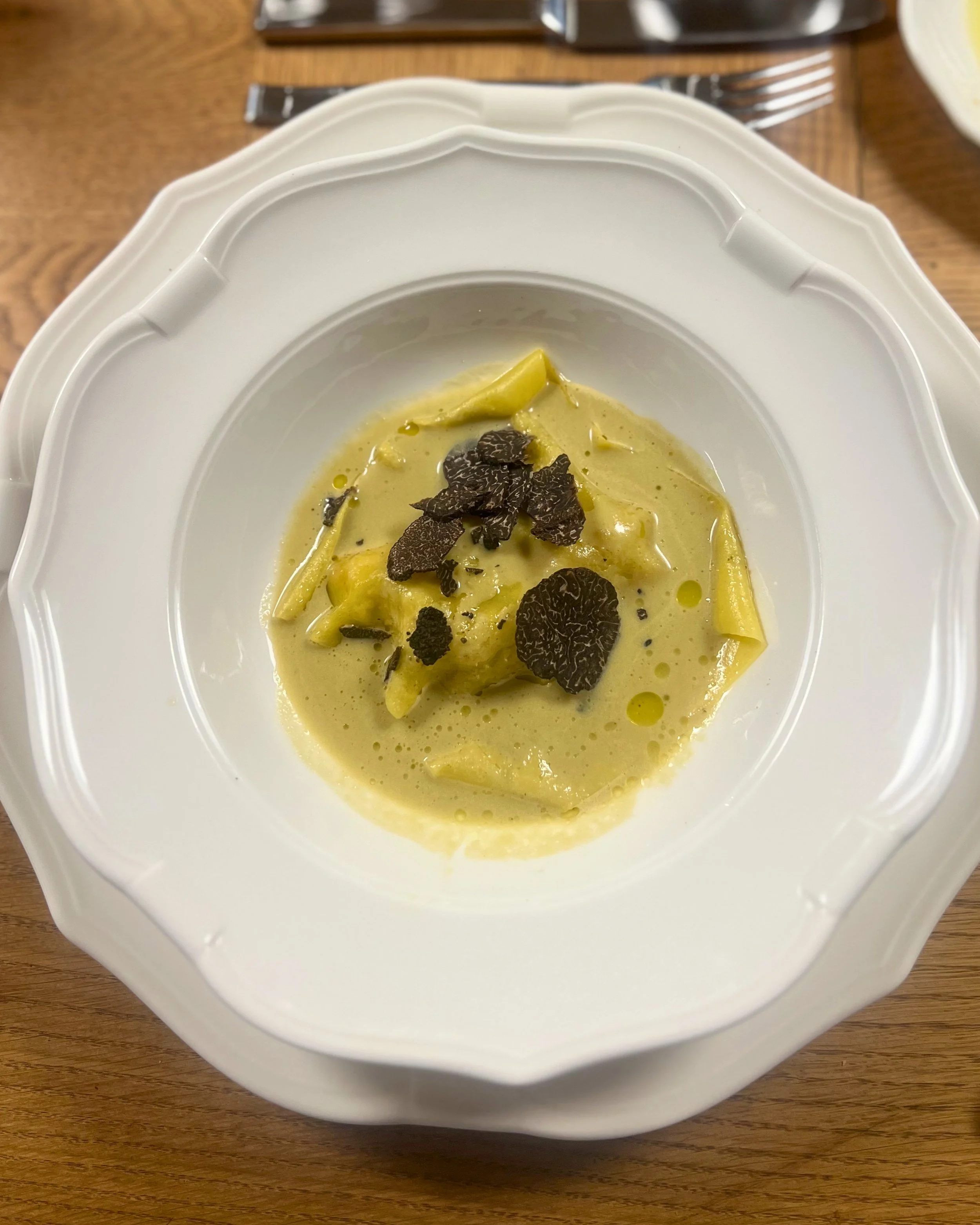
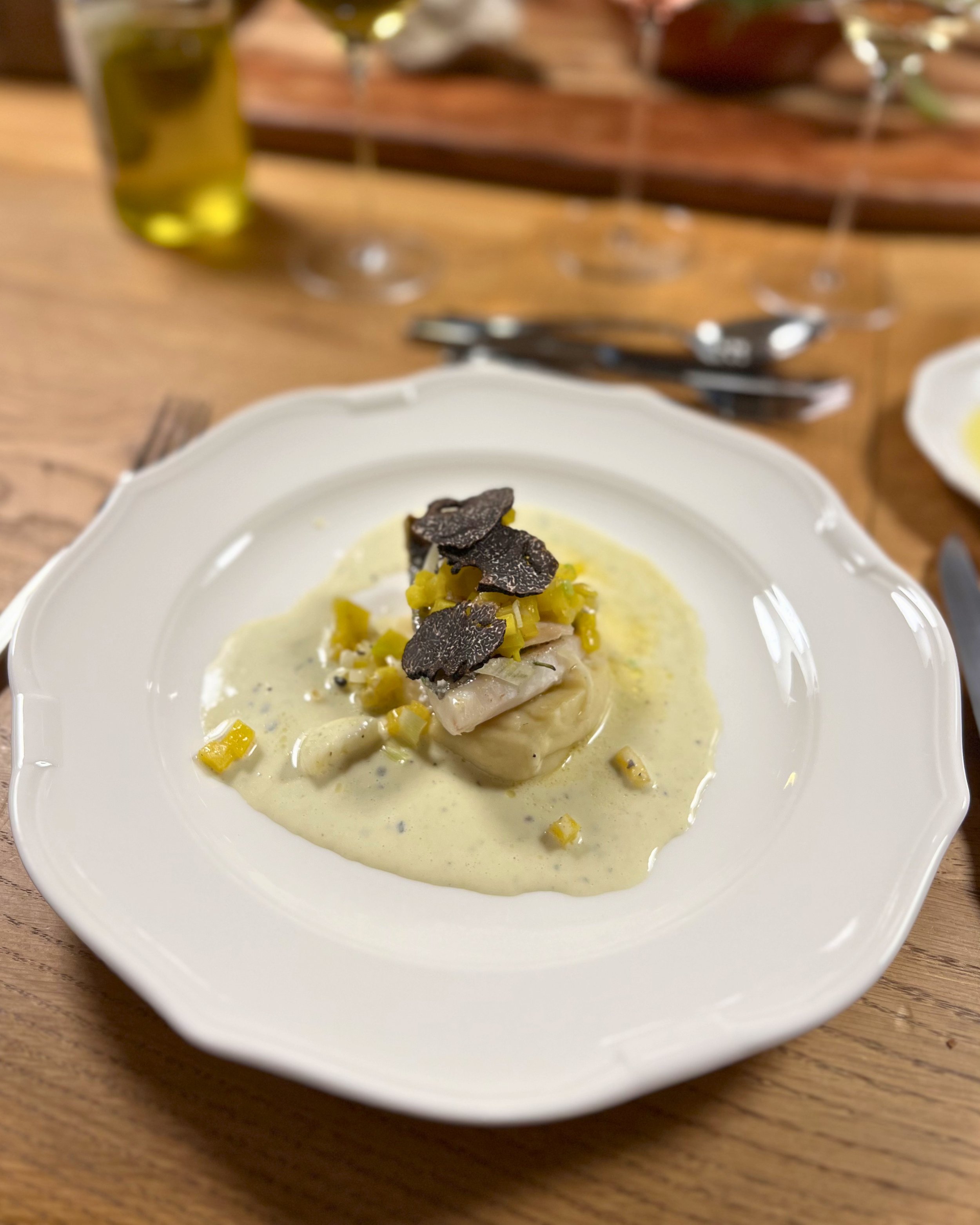
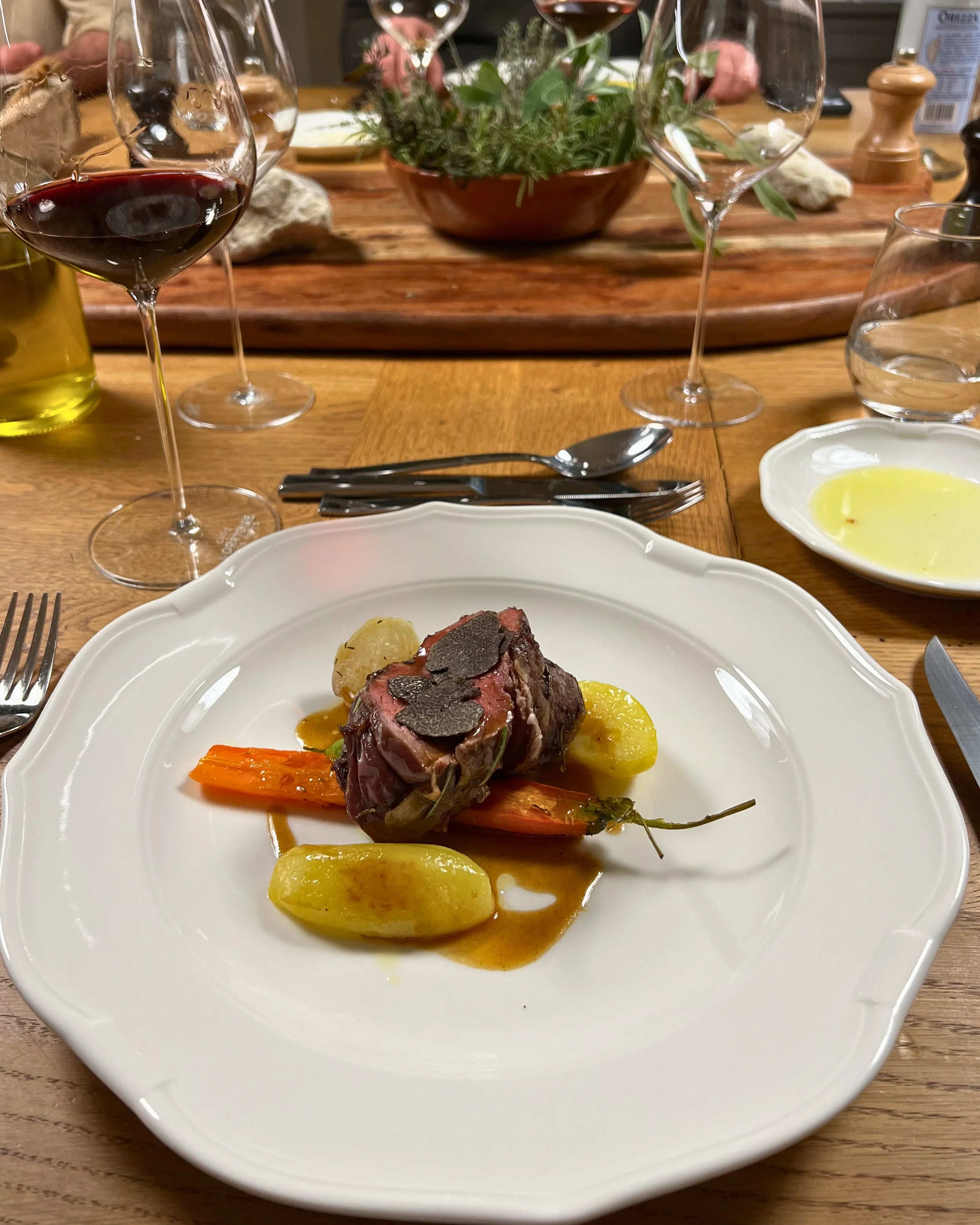
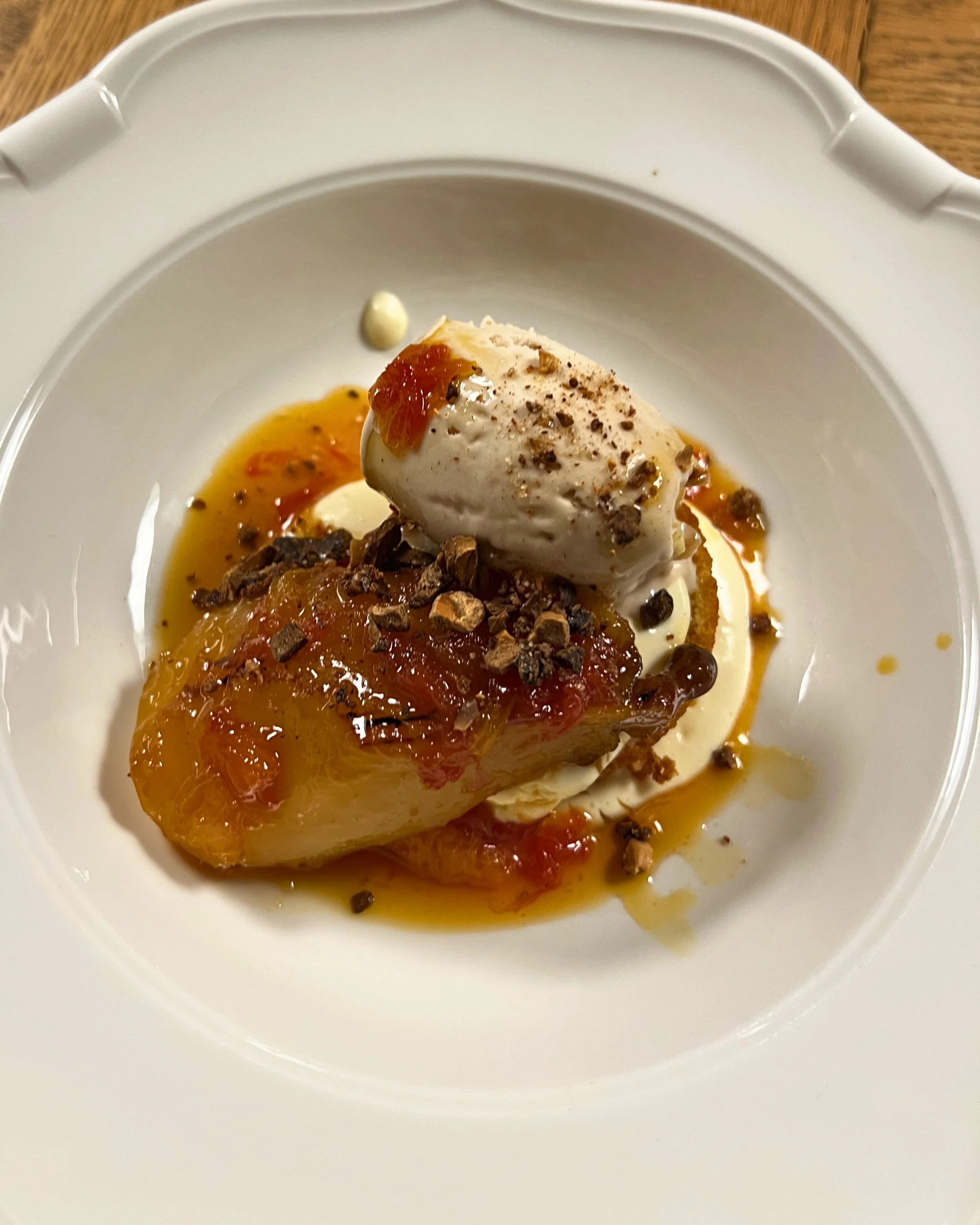
I have now had his cooking three times, and I will never stop talking about how great it is. The first time I went, he used black truffles on every dish besides dessert, yet managed to elegantly balance their intense flavor with the local herbaceous cuisine.
Chef David is from the area but had his debut in Switzerland at the Beau-Rivage Palace, a historic 5-star luxury property. He then spent time at Hôtel d’Europe in Avignon as well as other local restaurants honing his craft, before finally opening his own restaurant in Châteauneuf-du-Pape called La Mère Germaine, where he gained a Michelin star. After selling the restaurant, he was offered what seems to be a dream job: asked to come aboard with L’Oratoire des Papes to essentially do whatever he wants.
This isn't a restaurant that keeps regular hours; it's a private, chef-driven concept available only by reservation or when they are hosting guests. There is no menu, the chef cooks what is in season and available in the market that day, mostly on his La Cornue rotisserie. The table sits directly in the kitchen and seats about 10. It is an unforgettable experience, and a meal I will never stop sharing.
The wines have been taken to the next level thanks to the focus and skill of Eduarod, the cuisine now matches thanks to Chef David, and all is held together by the thoughtful vision of Francois. I cannot wait to see what is in store for the next 100 years.