Aldo Conterno: The New Generation of an Enduring Legacy
I have had the pleasure of working with the wines of Aldo Conterno for nearly a decade, starting when I joined Massanois in San Francisco. Despite years spent in wine study and service, I often struggled to articulate why certain 'Classic' producers were regarded as such. My understanding shifted significantly during my second year when Franco Conterno visited. His teachings on his family’s history clarified the profound importance of their winery within the context of Barolo and the broader global wine scene.
Beyond their undeniable beauty—and, yes, their price point—I began to grasp their significance: their indelible influence on the characteristic Bussia style Barolo and their continuation as a now fourth-generation family winery. As their recognition continues to grow worldwide, their place in the modern history of Nebbiolo is only solidified.
Interviewing the Future: Alessandro Conterno
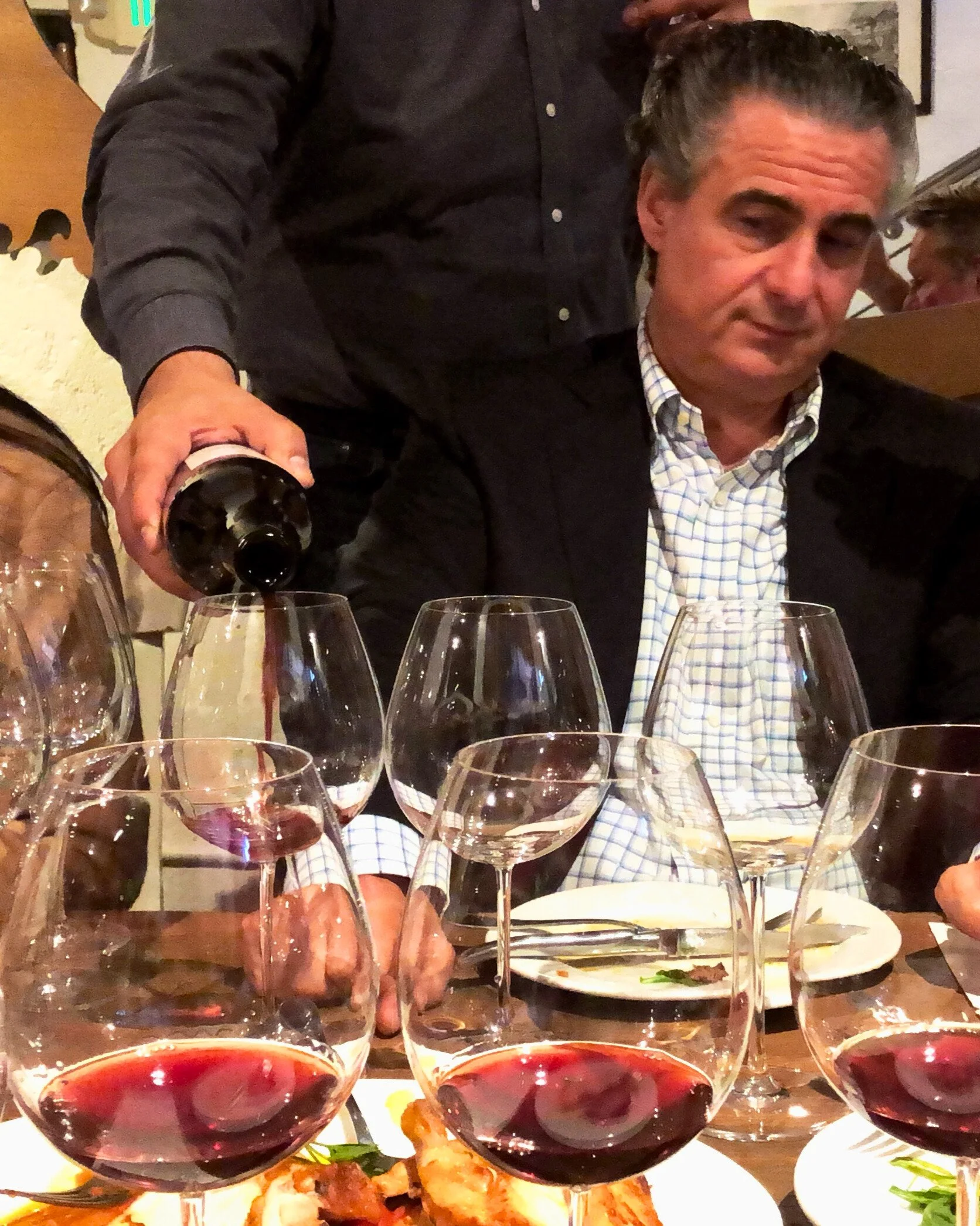
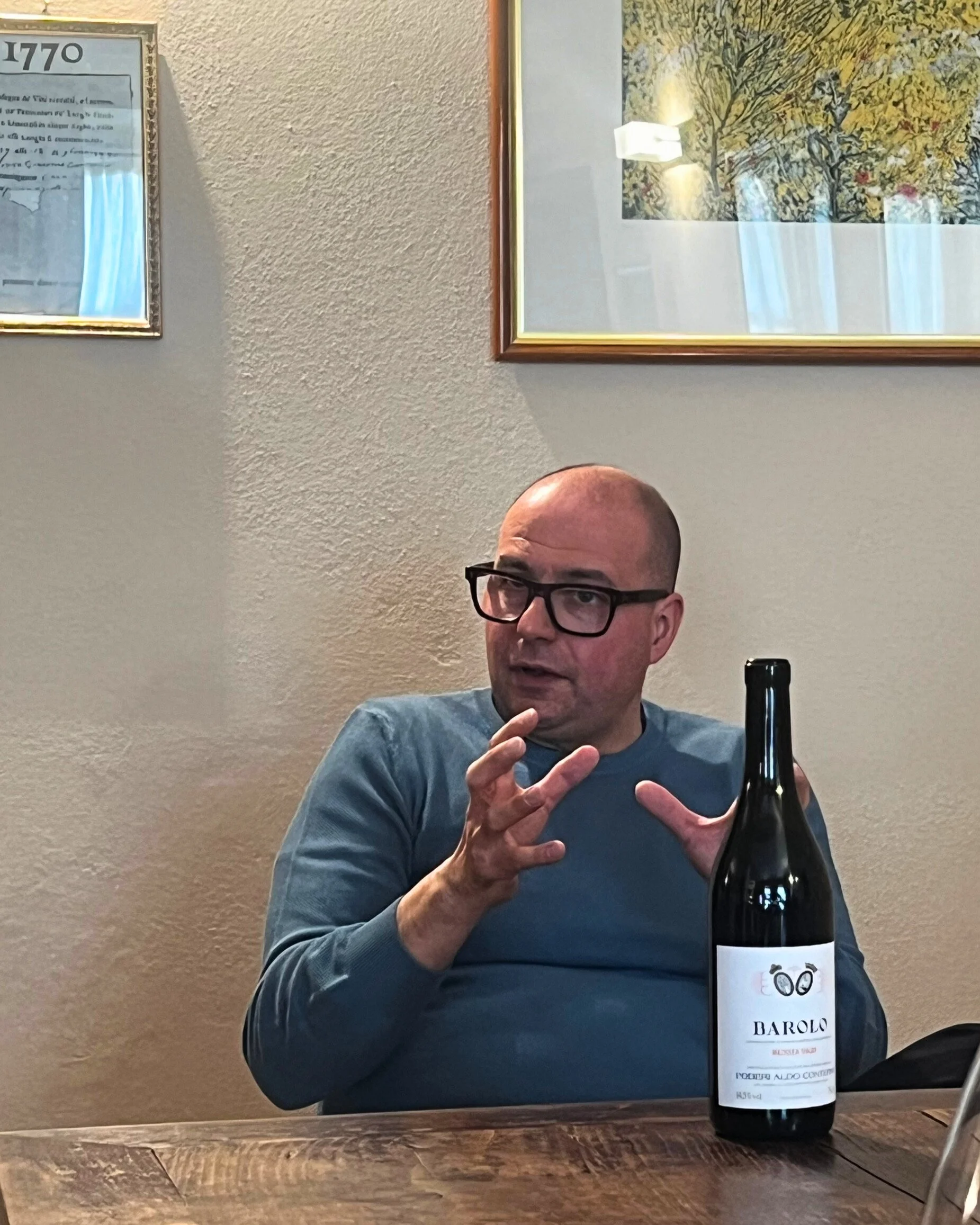
Almost ten years after my first meeting with Franco, I had the pleasure of sitting down with the newest generation: Alessandro Conterno. I had met him once before at the estate in Piedmont, but this was my first opportunity to truly spend time with him—to pick the brain of the man who will be carrying the torch for the next era of Aldo Conterno.
At a lively 28 years old, Alessandro was excited to share his family's wines and connect with restaurateurs and sommeliers who have supported them for years, some since before he was born. This trip was particularly significant, as he had rarely spent much time outside of the Langhe. His first-ever visit to Las Vegas, a key market for Aldo Conterno, was a fascinating experience for him. I can confirm he well outpaced me every night, taking full advantage of his time in the entertainment capital of the world.
The Conterno Family Tree: From Giacomo to Aldo
For the uninitiated, the Conterno lineage can be confusing, with at least eight wineries bearing the name in Piedmont alone. The original patriarch to this lineage is Giacomo Conterno, arguably the grandfather of traditional Barolo.
The story, however, begins with Giovanni, Giacomo’s fathes. Giovanni made wine from purchased fruit for his family and tavern in the late 1800s. In the 1920s, Giacomo joined him and became the first in the family to bottle and label wines for sale. Giacomo famously brought the family name into the limelight with the creation of the first vintage of Monfortino, an early and defining example of ultra-traditional Barolo Riserva. He also initiated the crucial transition from winemaker to winegrower by strategically purchasing vineyards in the famed areas of Monforte and Serralunga.
Giacomo had two sons: Giovanni and Aldo.
Giovanni (the older brother) dedicated himself to the staunch continuation of the family tradition—making legendary wines in the most traditional way. Today, the Giacomo Conterno winery continues to produce some of the greatest examples of Barolo under the watchful eye of his son, Roberto Conterno.
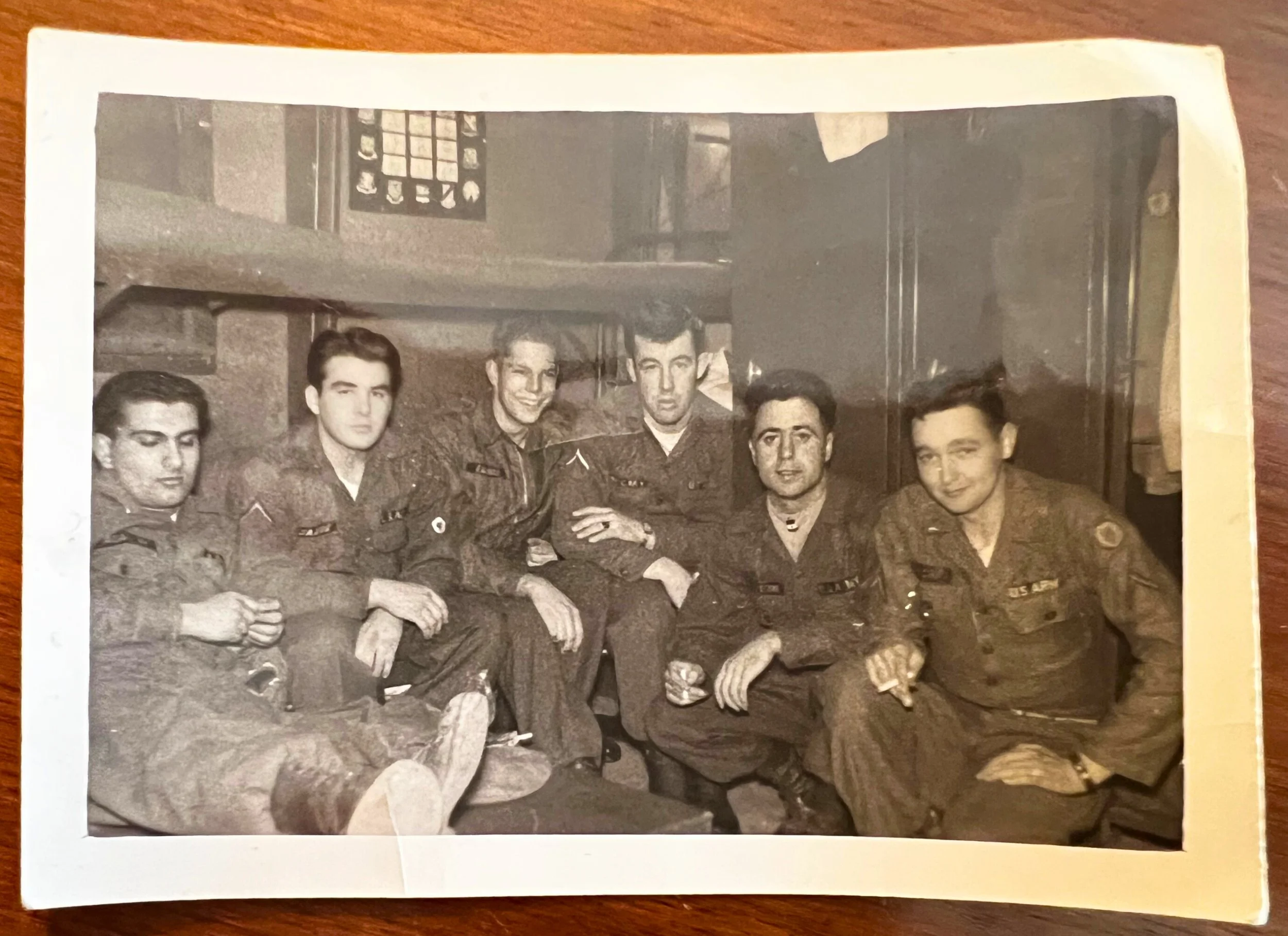
Aldo Conterno sought a broader perspective. In the 1950s, he traveled to America to help a cousin start a winery in Napa Valley. This venture was interrupted by a two-year deployment during the Korean War after registering for the draft. Returning to Northern California, he spent formative years working in hospitality and as a wine merchant—experiences that would deeply influence his future winemaking philosophy.
The Split and the Birth of a New Style
Aldo returned to Piedmont in the early 1960s. He worked alongside his brother until 1969, when stylistic differences led them to amicably divide the property.
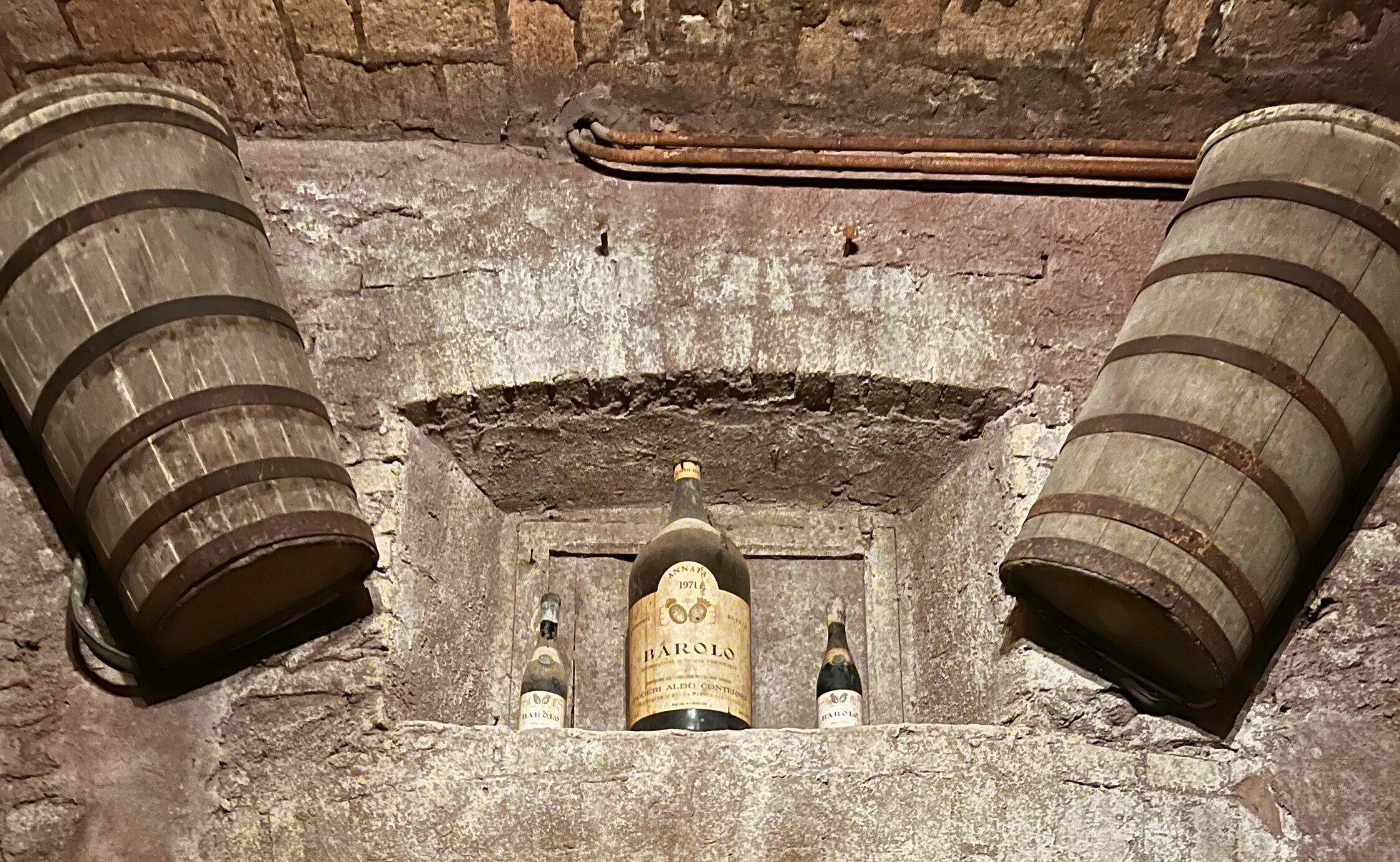
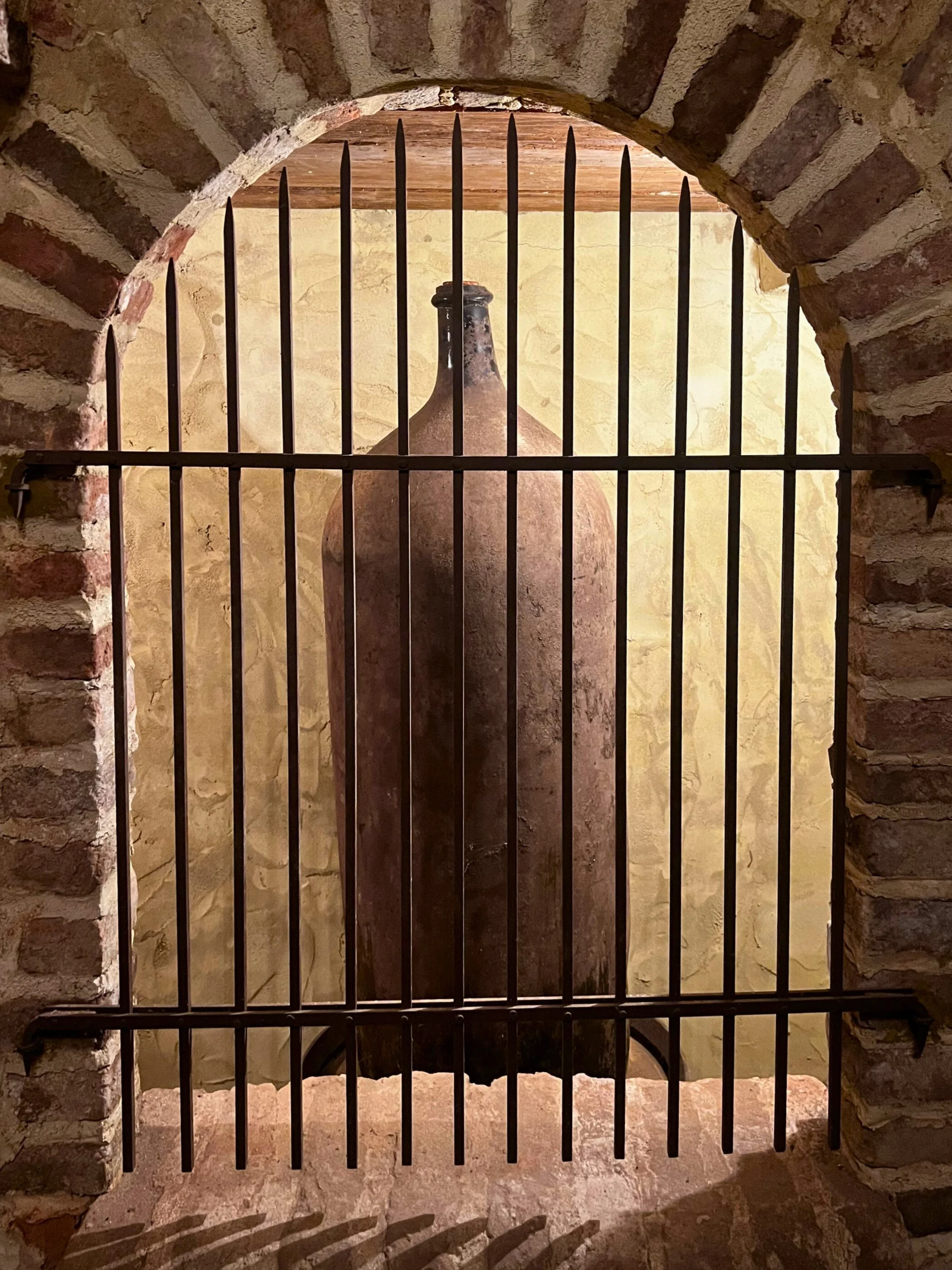
Aldo’s goal was to make slightly more approachable Barolo that required less decades to age, while still honoring the traditionalist heritage. This included more temperature control, slightly younger barrels, and shorter maceration times. While this was a far cry from the modern, Bordeaux-influenced "Barolo Boys," it represented a significant step away from the existing family tradition. Aldo purchased the farmhouse ‘Il Favot’ and vineyards in northern Bussia, striking out on his own. The generosity of his brother in selling him already-made wine in barrel is why bottles of Aldo Conterno can occasionally be found dated before the official 1969 founding.
The Third Generation: Franco, Giacomo, and Stefano
Aldo had three sons—Franco, Stefano, and Giacomo—who all grew up working on the farm, each eventually settling into specialized roles:
Franco (whom I first met) was the traveler, spending over three decades visiting markets, driving sales, and connecting with customers globally.
Giacomo manages the business, logistics, and private client hospitality at the winery. He is warm and gracious, perhaps reflecting a life on the farm versus a life on the road.
Stefano is the most elusive, spending the majority of his time in the cellar, making and nurturing the wines.
As is common in family businesses, this division of labor—allowing three brothers to master sales, business, and production became a great advantage, allowing the wines of Bussia to travel the world while maintaining focus on the vineyards.
Alessandro: Vineyards, Oenology, and Identity

The newest generation, Alessandro Conterno, is now fully engaged. Raised in Monforte d’Alba, he was put to work in the vineyards from a young age—pruning, harvesting, and learning English from his grandfather, Aldo.
This commitment led him to study oenology at the University of Turin, culminating in a research thesis on the phenolics within the Nebbiolo variety. He joined the winery full-time in November 2020. During the height of the COVID years, he focused heavily on viticulture, applying his lessons and learning further from his uncles. As travel resumed, he shifted his focus to hospitality, learning how to articulate the identity of each wine and single vineyard—a detail we discussed at length during our interview.
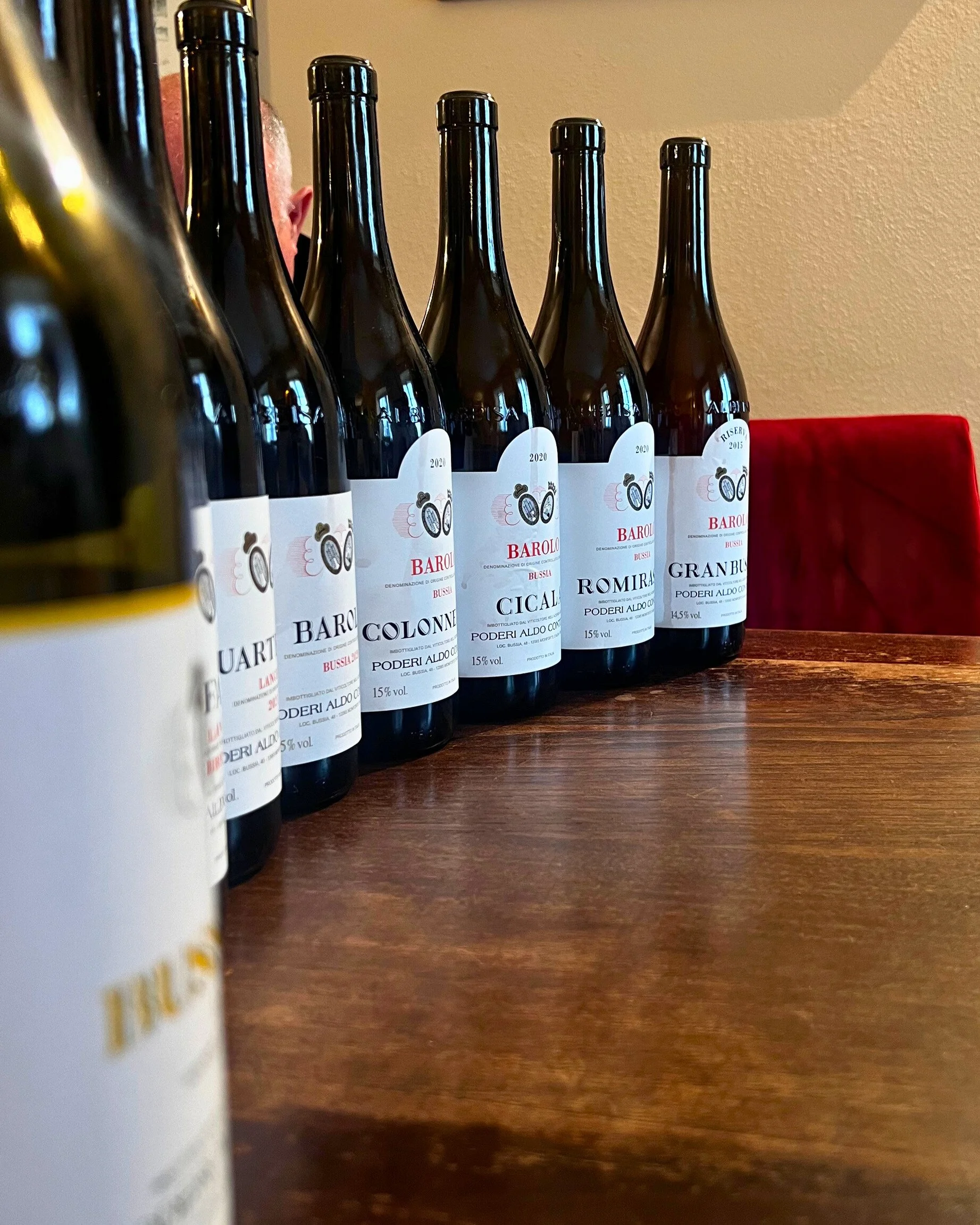
The Crus of Bussia: Cicala, Colonello, and Romirasco
While the estate produces a range of traditional Baroli and less traditional entry-level wines, the heart of the property lies in its three single vineyards, all within the celebrated MGA of Bussia.
Though they form part of a larger amphitheater, variations in slope, aspect, and soil type yield three drastically distinct wines:
Colonello is situated on the last hill of Monforte d’Alba, near Barolo and La Morra. This proximity means its soil has a greater similarity to those regions, exhibiting higher levels of sand and magnesium. The resulting wine is defined by its phenolic complexity and elegance.
In contrast, Cicala is located further east, where the soil profile shifts dramatically toward clay and limestone. This composition gives rise to a classic, big-shouldered, and structured Barolo—a style more reminiscent of Serralunga. The name, Cicala, is derived from the cicadas that can be heard around the property.
The crown jewel is Romirasco, a 1.5 Ha vineyard occupying the most important hill at the heart of their holdings with slightly higher elevation. This vineyard offers a complex soil matrix of iron, clay, and limestone, balanced by a small percentage of sand and magnesium. This rare composition bridges the styles of Colonello and Cicala, yielding a beautifully harmonious wine built for exceptional longevity. This plot is historically significant; old documents from the late 1700s detail that Romirasco consistently achieved a higher quality and price for its grapes than surrounding areas.
For detailed tasting notes on all the wines of Poderi Aldo Conterno, please visit my Tasting Notes section.